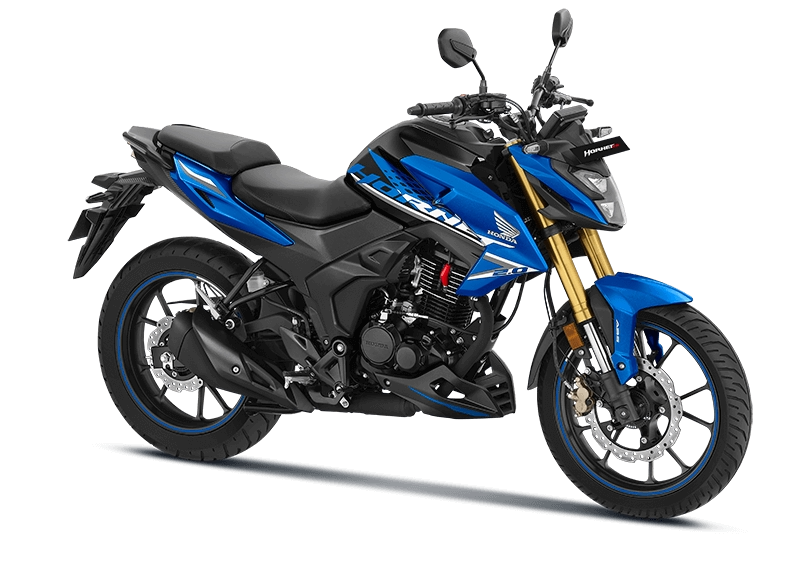
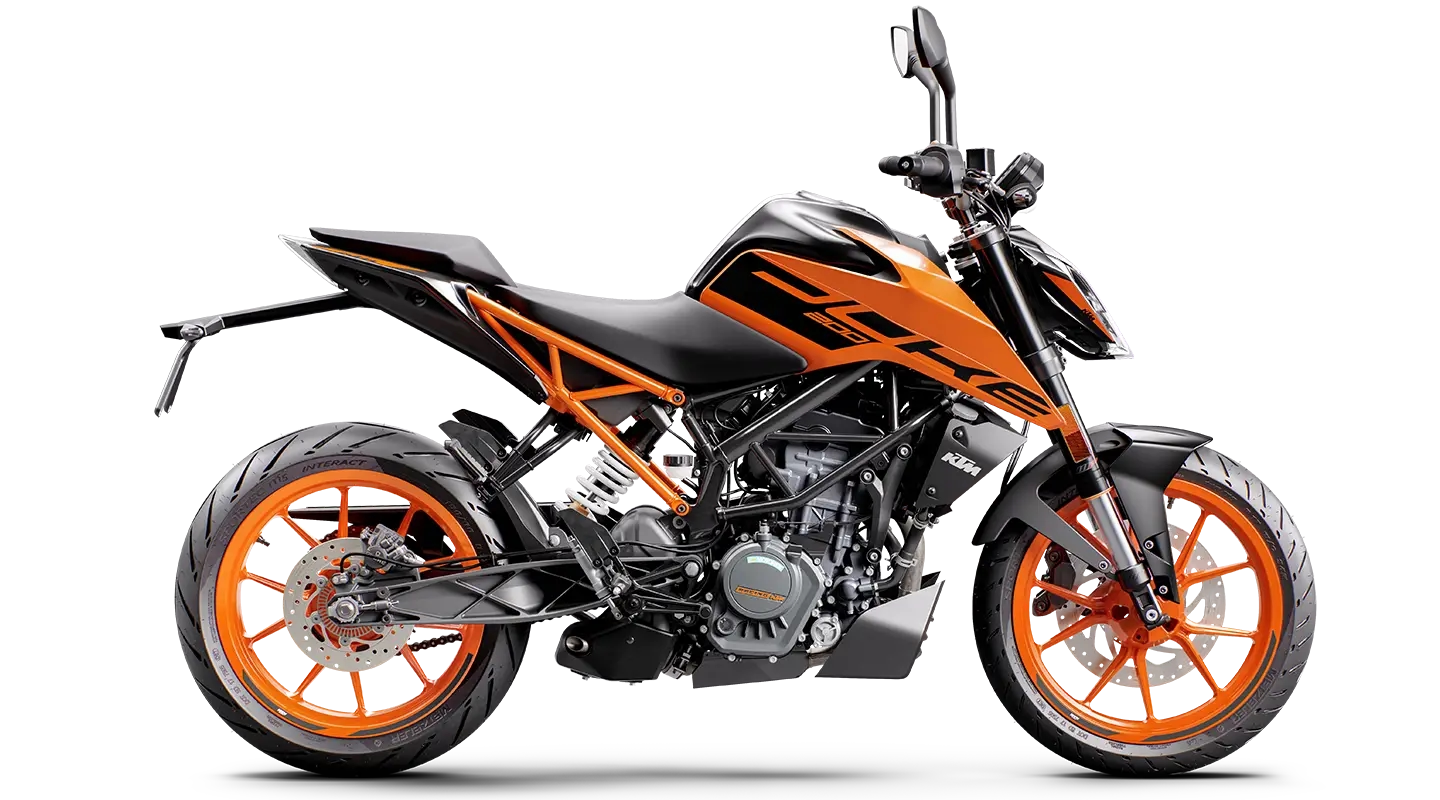
Honda Hornet 2.0 Expert Review
The Honda Hornet 2.0 is aimed at riders who want a motorcycle that
feels noticeably more premium and powerful than a regular commuter
while remaining practical enough for everyday use. Instead of
competing purely on horsepower or an extensive electronics package,
the Hornet 2.0 focuses on accessible performance, muscular
streetfighter styling, predictable handling, and Honda's reputation
for engine refinement and reliability.
One of the motorcycle's biggest strengths is its suitability for urban
riding. The 184.4cc single-cylinder engine produces 17.03 PS and 16.1
Nm, with power delivery focused on usable low-end and mid-range
performance. The engine responds cleanly when accelerating through
traffic, overtaking slower vehicles, or pulling away from low speeds,
making the Hornet 2.0 easy to ride during everyday commuting.
The engine feels smooth and predictable rather than aggressive. Riders
upgrading from 125cc or 150cc commuters should find the increase in
performance noticeable without the motorcycle becoming intimidating.
Throttle response is manageable, the five-speed gearbox suits everyday
riding, and the strong mid-range means the rider does not need to
chase high engine speeds to make useful progress.
Handling is another important strength. The Hornet 2.0 uses
upside-down front forks and a rear monoshock, while its relatively
light 142 kg kerb weight helps the motorcycle change direction easily.
These characteristics make it particularly enjoyable in crowded
traffic, on winding city roads, and during quick direction changes.
The suspension setup provides a good balance between everyday comfort
and sporty handling. The USD front forks contribute to stable
front-end feel, while the motorcycle remains manageable over typical
city roads and uneven surfaces. Riders looking for an agile naked
motorcycle that can be used throughout the week should appreciate this
balance.
Braking duties are handled by disc brakes at both ends, supported by
single-channel ABS. The setup provides predictable braking performance
for everyday riding, although the absence of dual-channel ABS may be
an important consideration for buyers comparing the Hornet 2.0 with
rivals that offer ABS intervention on both wheels.
The Hornet 2.0 also offers a comfortable riding position for daily
use. The upright streetfighter ergonomics, accessible 790 mm seat
height, and wide handlebar make the motorcycle easy to control in
traffic. Its relatively compact dimensions and manageable weight
further improve confidence while making U-turns, filtering through
congestion, or moving the motorcycle in parking areas.
On the highway, the Hornet 2.0 is capable of occasional intercity
journeys and moderate-speed cruising. However, its naked design
provides little protection from wind, and riders who regularly cover
long distances may prefer a motorcycle with stronger top-end
performance, additional touring comfort, or better wind protection.
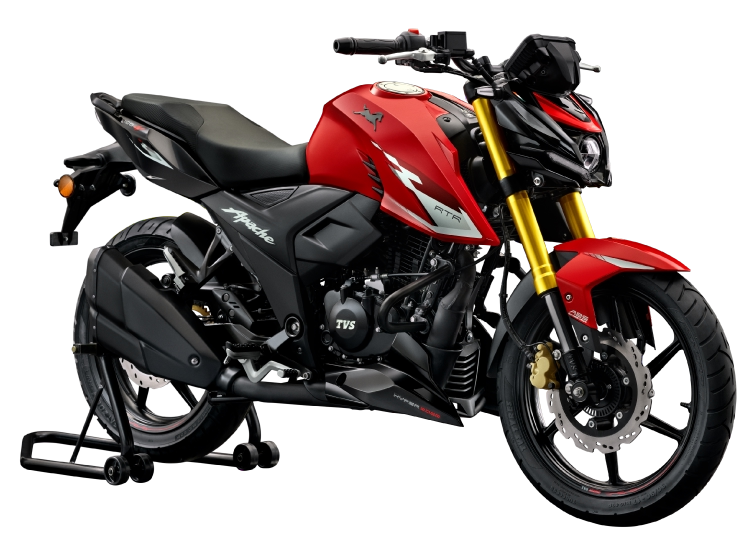
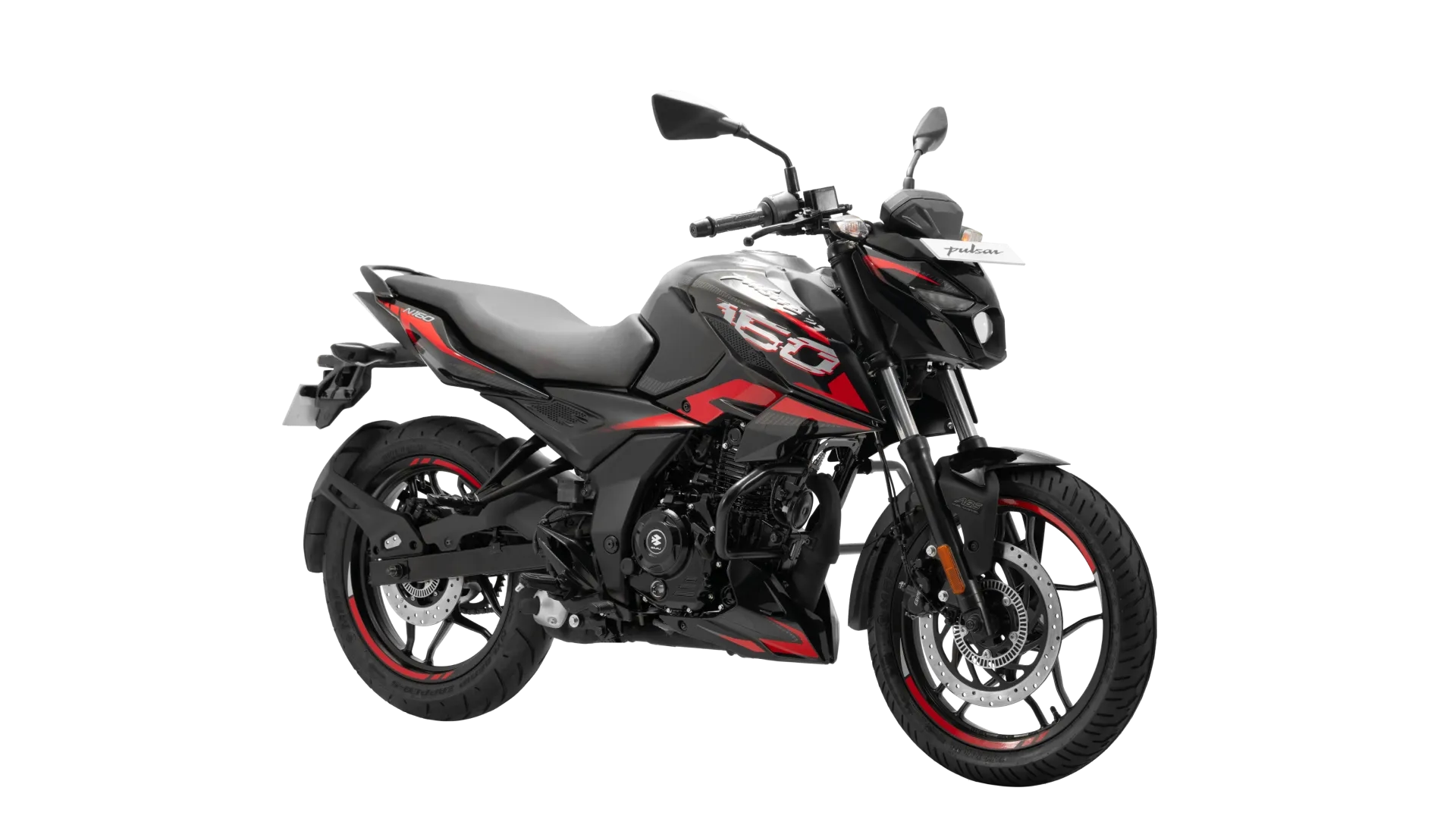
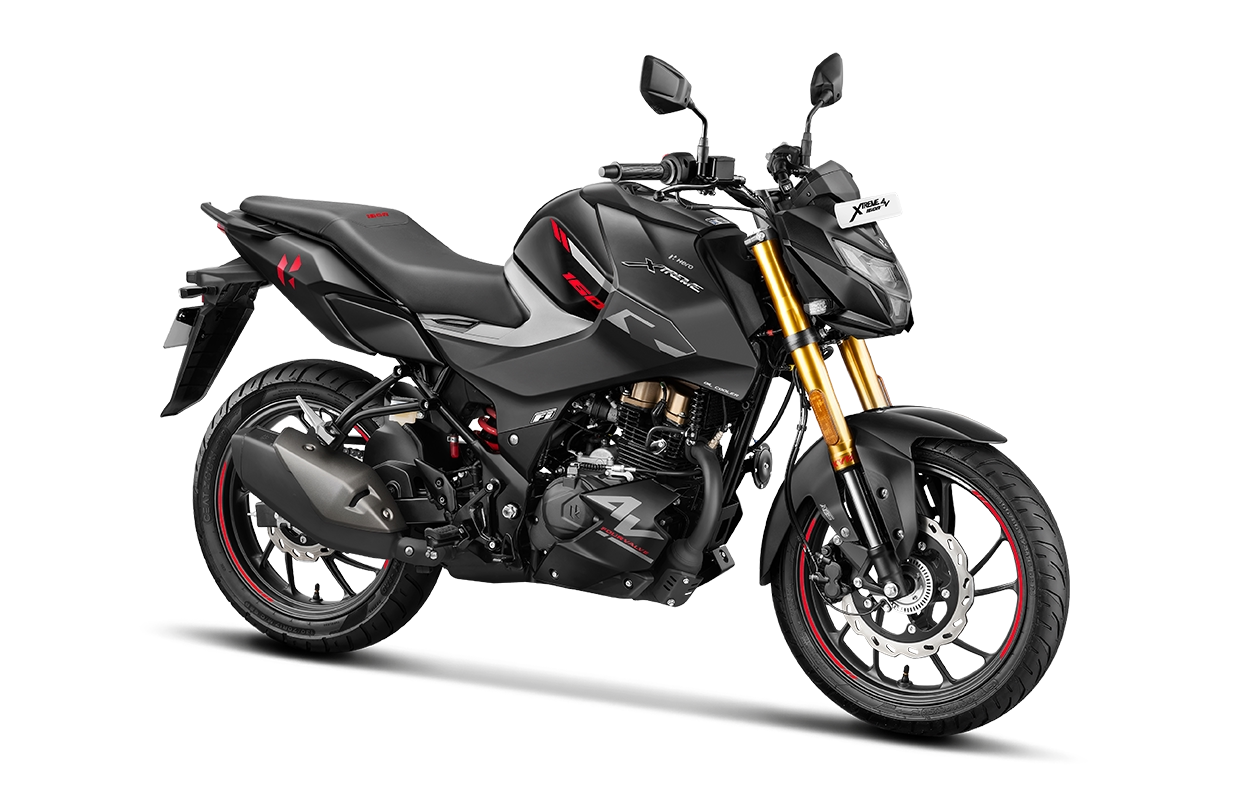
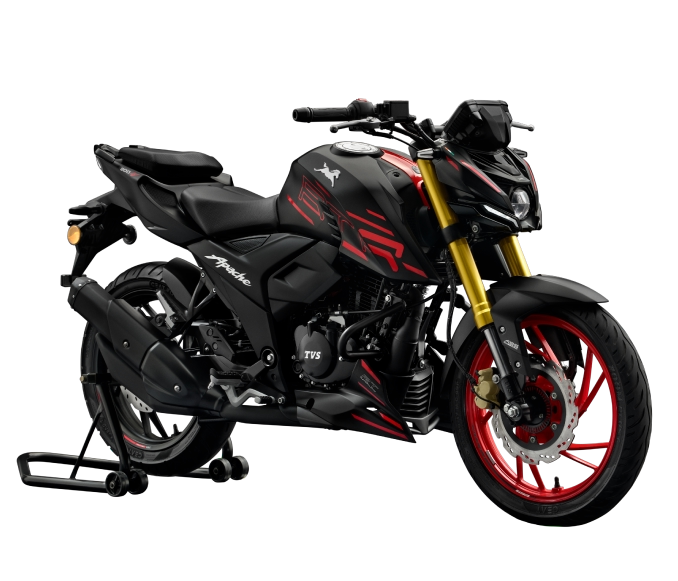
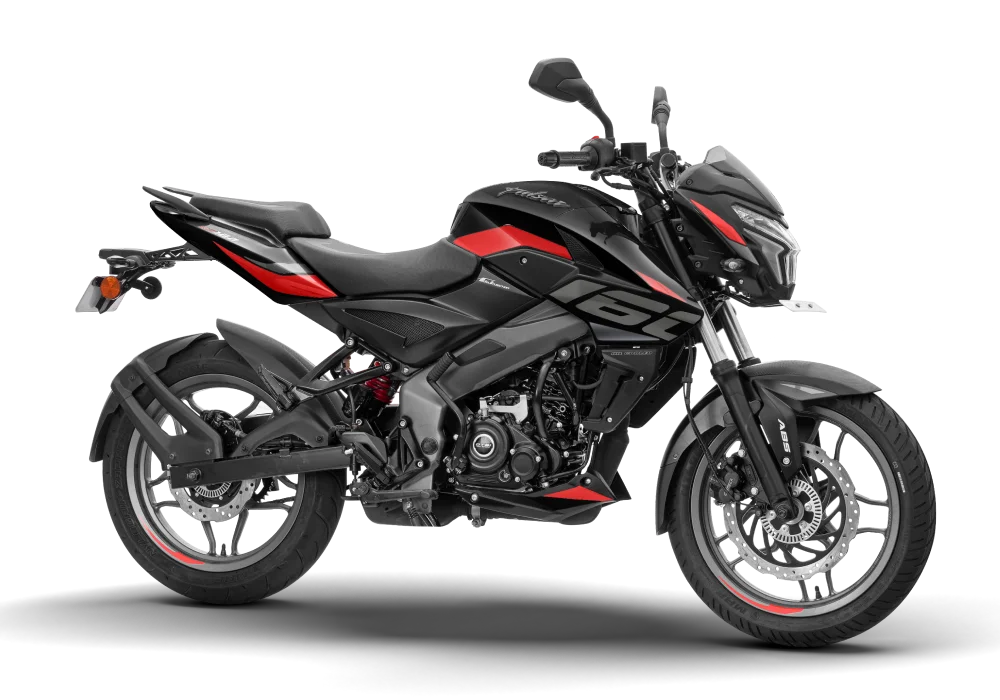
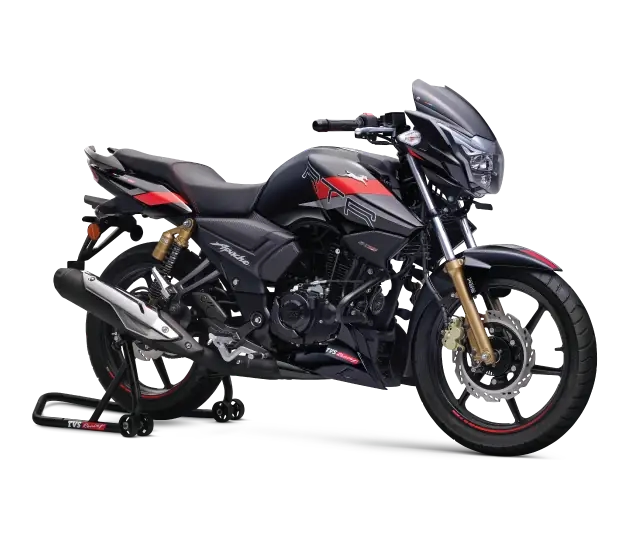
Buyers comparing the Hornet 2.0 with motorcycles such as the TVS
Apache RTR 200 4V, Bajaj Pulsar NS200, Bajaj Pulsar N160, and Hero
Xtreme 160R 4V should consider their priorities carefully. Some
alternatives offer more performance, additional technology, or
dual-channel ABS, while the Hornet 2.0 makes its strongest case
through refinement, lightweight handling, muscular styling, and
everyday usability.
Overall, the Honda Hornet 2.0 is a well-rounded street motorcycle
rather than an outright performance machine. It works best for riders
who want a noticeable upgrade from smaller commuters while retaining
manageable performance, comfortable ergonomics, and straightforward
ownership. For city riders prioritising refinement, agility,
distinctive styling, and Honda reliability, the Hornet 2.0 remains a
compelling option in the 180–200cc motorcycle segment.